Root
Canal
Treatment
ROOT CANAL TREATMENT
Root canal treatment. Relieve the pain. Save the tooth.
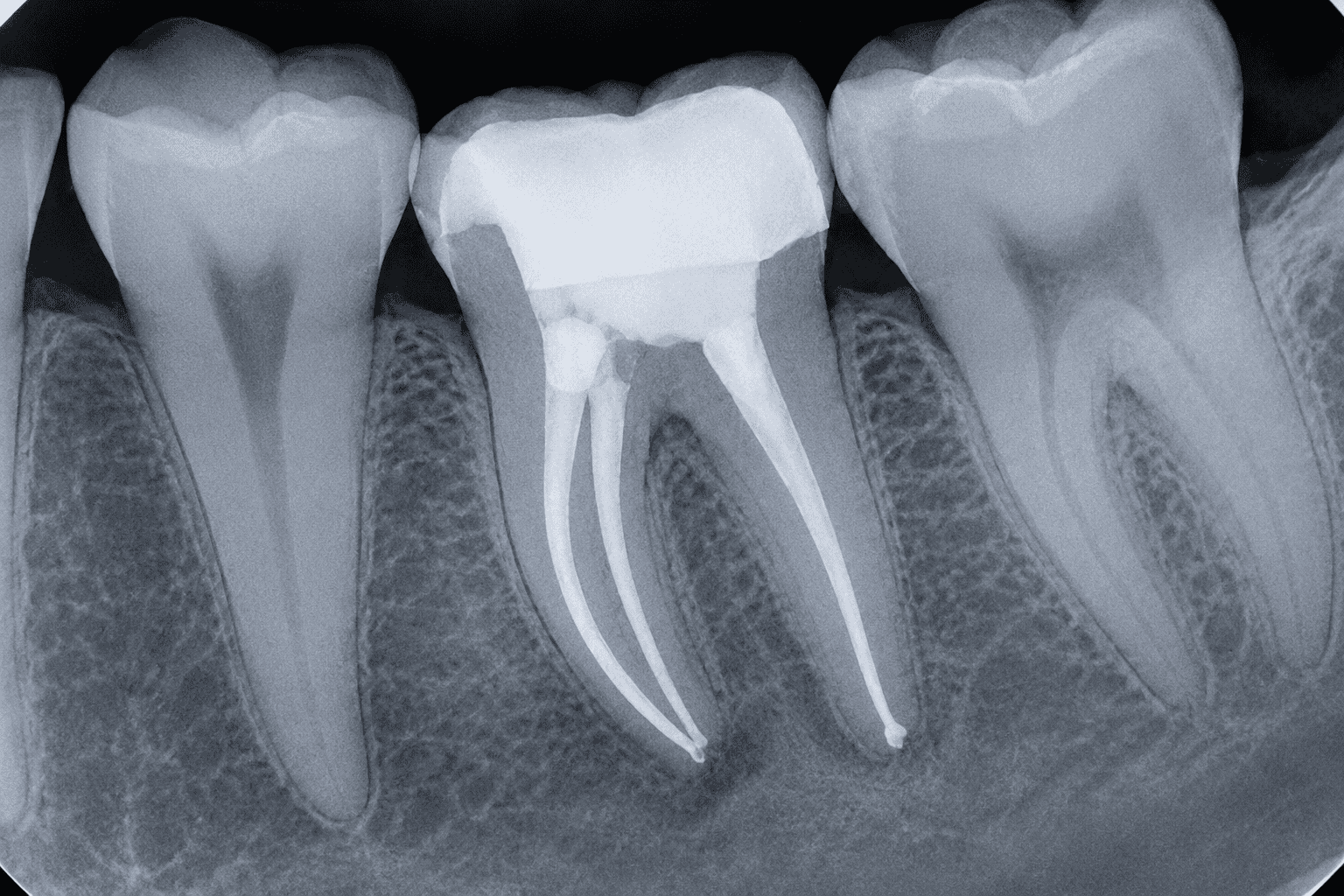
Root canal treatment is used to save a tooth when the nerve inside has become inflamed or infected. Despite its reputation, treatment is performed under local anaesthetic and is usually very comfortable.
During treatment, a small opening is made in the tooth and the inflamed or infected tissue is carefully removed from inside the root canals. The canals are then cleaned, disinfected and shaped before being sealed to help prevent bacteria from returning.
Root canal treatment may be completed over one or more appointments depending on the tooth and the nature of the infection. Once treatment is complete, the tooth is restored to protect it and allow you to use it normally again. In many cases, a crown may be recommended to provide additional protection for the tooth.
Comfortable treatment. Careful cleaning. A chance to keep your natural tooth.

Toothache & Dental Pain
Dental pain can take over your day. Whether it’s a toothache, broken tooth or troublesome wisdom tooth, we’ll help get you out of pain and back to eating, sleeping and living normally again.

General Dentistry
From fillings and crowns to whitening and repairing broken teeth, we’ll help keep your teeth healthy, comfortable and looking their best.

Preventative Dental Care
We believe the best dental treatment is avoiding problems in the first place. Thorough check-ups, cleans and X-rays help keep your teeth healthy for the long term.

Family Dentistry
Dental care for the whole family, from children through to grandparents. We take the time to make every visit comfortable, straightforward and stress-free.