Dental Extractions
DENTAL EXTRACTIONS
Dental extractions. Gentle care. Your comfort matters.
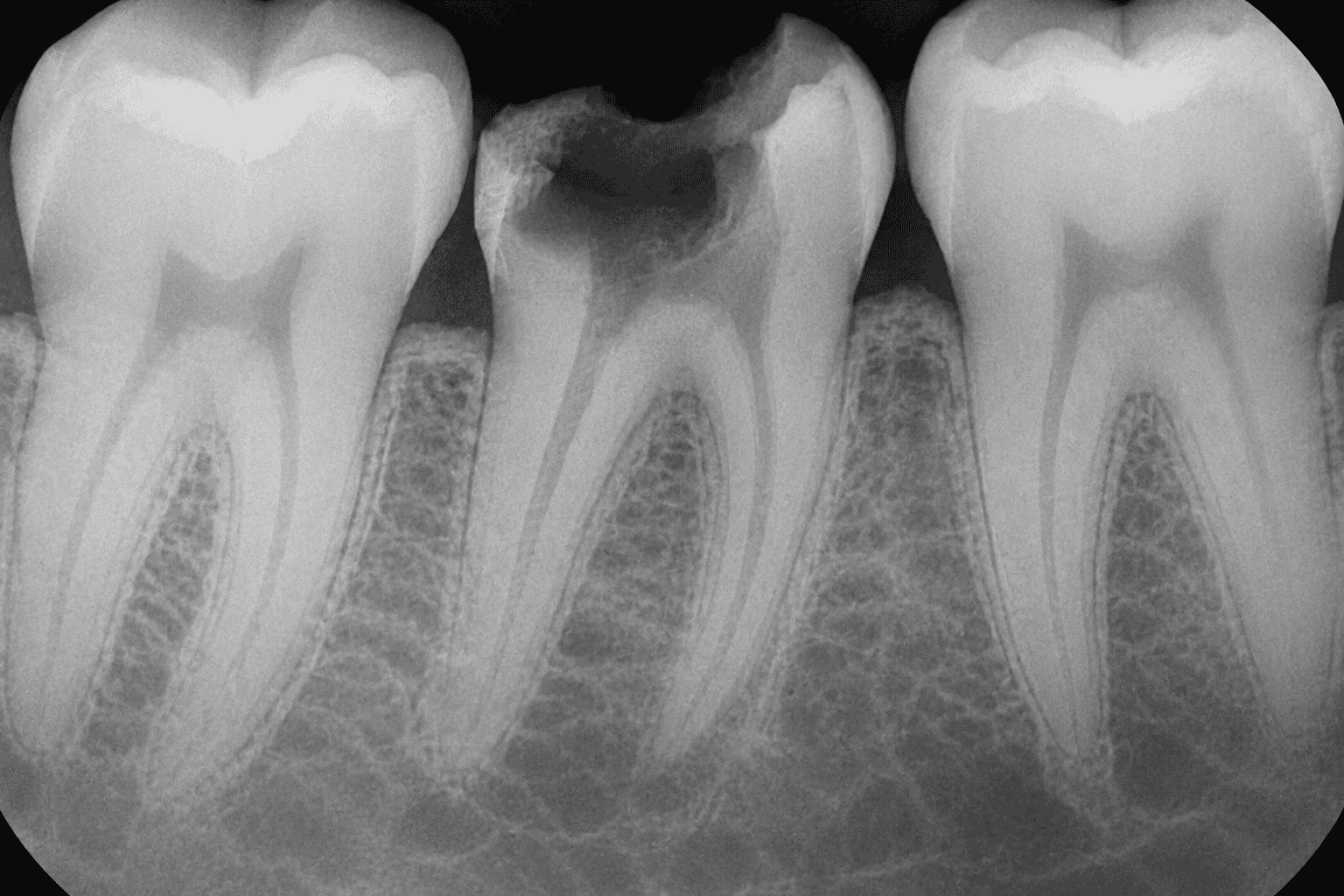
Sometimes a tooth cannot be saved, and extraction may be the most appropriate treatment. At Tee Family Dental, we aim to make the experience as comfortable and straightforward as possible.
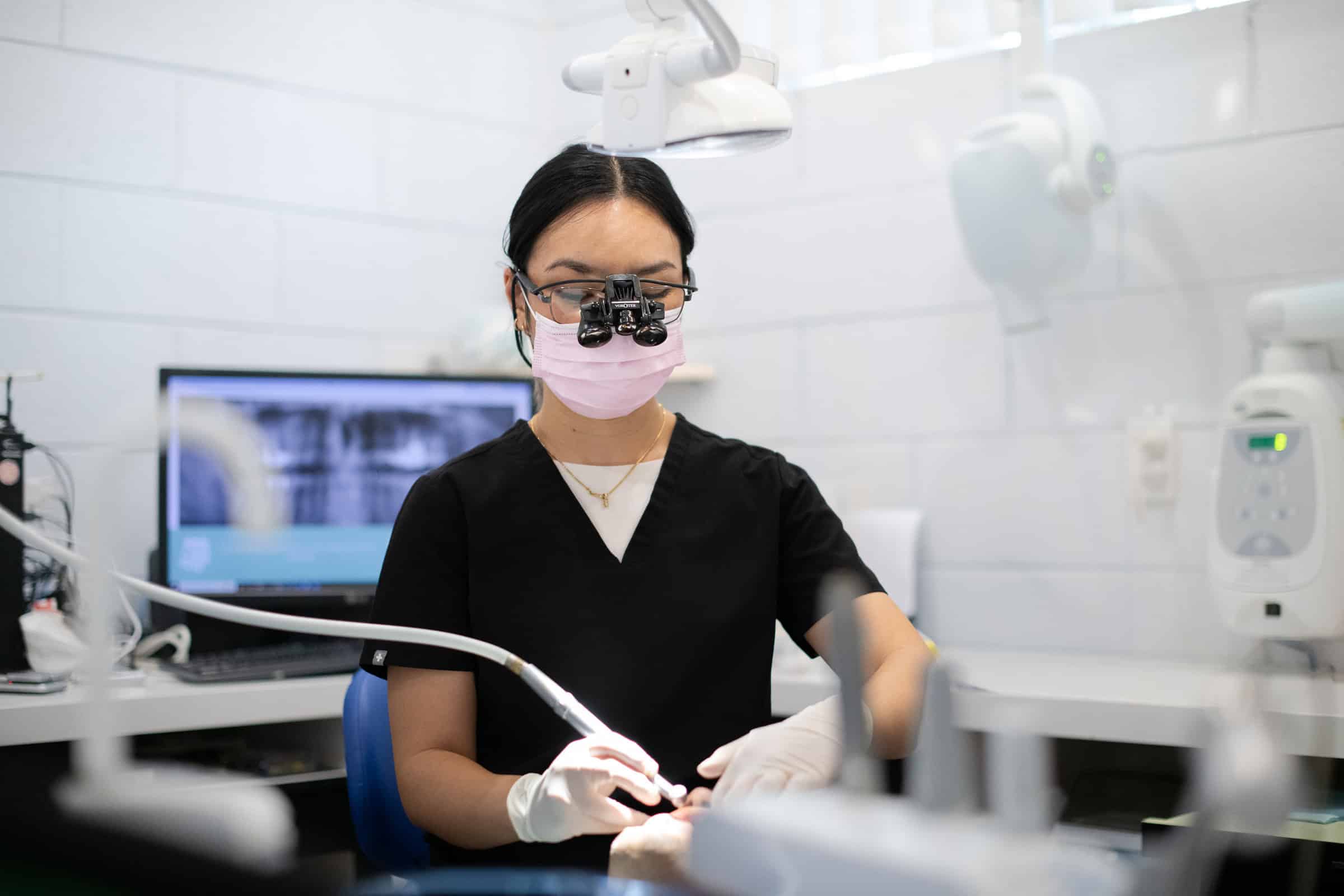
We perform dental extractions under local anaesthetic, using careful techniques to minimise unnecessary trauma to the surrounding tissues. We take the time to ensure the area is adequately numb before proceeding and explain what to expect throughout your appointment.
Where appropriate, we use minimally invasive techniques to help preserve the surrounding bone and gum tissue, supporting the normal healing process. We'll also provide clear aftercare instructions to help you manage your recovery and reduce the risk of complications.
Careful treatment. Practical advice. Support from start to finish.
Frequently Asked Questions

Toothache & Dental Pain
Dental pain can take over your day. Whether it’s a toothache, broken tooth or troublesome wisdom tooth, we’ll help get you out of pain and back to eating, sleeping and living normally again.

General Dentistry
From fillings and crowns to whitening and repairing broken teeth, we’ll help keep your teeth healthy, comfortable and looking their best.

Preventative Dental Care
We believe the best dental treatment is avoiding problems in the first place. Thorough check-ups, cleans and X-rays help keep your teeth healthy for the long term.

Family Dentistry
Dental care for the whole family, from children through to grandparents. We take the time to make every visit comfortable, straightforward and stress-free.